


Malaysia
-
Malaysia: Drop contempt proceedings against online news outlet Malaysiakini

Joint statement by Article 19 and CIVICUS
-
Malaysia: End escalating harassment of Mentega Terbang Filmmakers

We, the 74 undersigned organisations and individuals, strongly condemn the harassment and intimidation of the artists and filmmakers behind the movie Mentega Terbang who have faced police questioning, death threats and property vandalisation.
-
Malaysia: End harassment and intimidation of media workers and critics
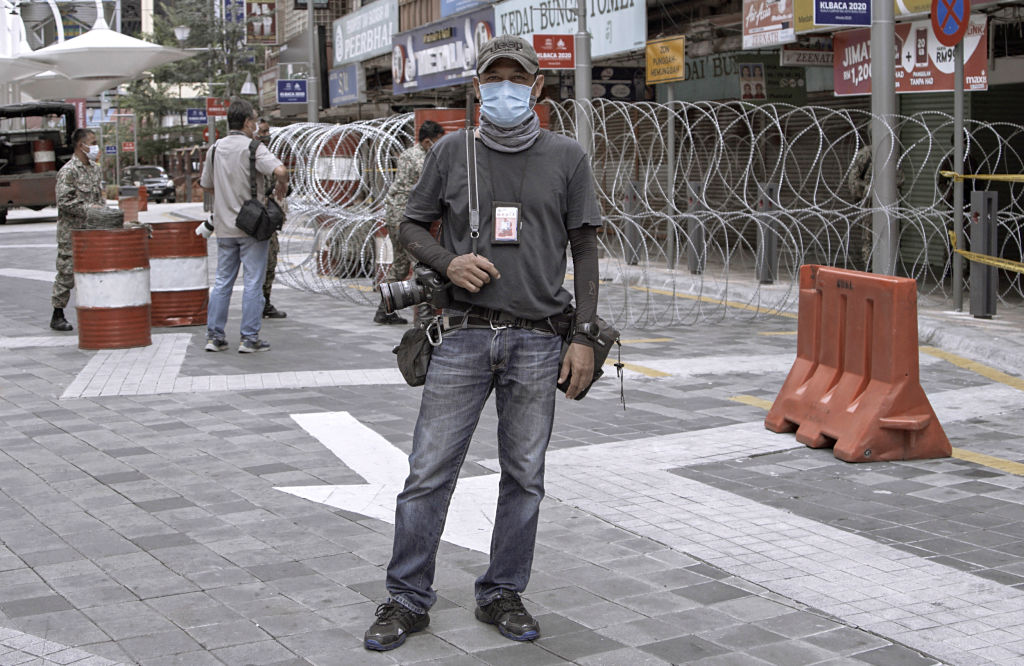
Joint Statement with Amnesty International and the International Commission of Jurists
The Malaysian authorities must immediately put an end to their increasing attacks on freedom of expression, especially the media, international non-governmental organisations Amnesty International, CIVICUS: World Alliance for Citizen Participation and the International Commission of Jurists (ICJ) said today. Laws incompatible with international human rights law and standards, including the Sedition Act 1948 and Section 233 of the Communications and Multimedia Act (CMA) 1998, are being used to limit free speech and press freedom and should be repealed by the legislature.
In the latest move in the ongoing clampdown on criticism and other expression, authorities have targeted those involved in making the documentary “Locked Up in Malaysia’s Lockdown,” by news broadcaster Al Jazeera and its 101 East series – which reported on the authorities’ arrests of migrant workers during the COVID-19 pandemic. Al-Jazeera is being investigated for sedition and defamation, and has also been accused of breaching the Communications and Multimedia Act by the Malaysian authorities.
On 3 July 2020, Al Jazeera on its 101 East Stream published a documentary that investigated the arrests, detention, and ill-treatment of refugees and undocumented migrant workers during the outbreak of COVID-19 in Malaysia. The documentary highlighted raids conducted by authorities; the inhumane conditions of detention; and the situation of migrant workers who fear arrest. Those detained were found to be held in cramped facilities, while migrant workers at risk of detention suffered from a severe lack of adequate food. The documentary also highlighted the chilling effect the government crackdown has had on the migrant worker community, who fear for their lives and safety.
Rather than addressing the concerns raised in the documentary, the government has instead sought to question the reporters involved, and pursue migrant workers who spoke with Al Jazeera. By initiating a public campaign against migrants and refugees and publishing personal details of the migrant workers who were featured in the report, the authorities have also placed the lives and safety of those interviewed in jeopardy.
The government’s subsequent threats to revoke the visas of foreign workers appears intended to intimidate other migrant workers from speaking up about human rights violations, including mistreatment. These actions have contributed to a worrying rise in intolerance towards freedom of expression, including critical views.
Amnesty International, CIVICUS World Alliance for Citizen Participation, and the International Commission of Jurists (ICJ) consider these actions as forms of harassment and intimidation of the media, migrant workers, and others exercising their right to freedom of expression, including criticism or dissent.
The use of the Sedition Act 1948, Section 233 of the Communications and Multimedia Act, and criminal investigations against the media set a dangerous precedent and are incompatible with international law and standards. These laws place restrictions on the exercise of freedom of expression that are overly broad, unnecessary and disproportionate, and inconsistent with rule of law and human rights principles.
We reiterate their our previous calls on the Government of Malaysia to abolish both laws, which have historically been used to silence voices of those challenging government policy.
Background
Since the COVID-19 pandemic emerged earlier this year, the Malaysian government has launched a crackdown on refugees, asylum-seekers and migrant workers, carrying out a series of raids on settlements in Kuala Lumpur and Selangor. Most notably, raids were carried out as Labour Day operations on 1 May 2020, but also continued afterwards.
In response to these raids, the Office of the UN High Commissioner on Human Rights (OHCHR) denounced the crackdowns on migrant workers and journalists on 21 May. Migrant workers fear for their safety and there have been reports of suicide amongst them.
Amid growing concerns about the crackdown, the government has increasingly sought to silence criticism.
On 7 July, refugee aid worker Heidy Quah was questioned by police for posting a statement on the raids and the treatment of migrant and refugee children on social media. Her lawyer confirmed that she is being investigated under the Penal Code for criminal defamation and the Communications and Multimedia Act for the ‘improper use of network facilities or network service’.
Since the Perikatan Nasional government assumed power, numerous investigations have been launched against individuals who have criticized government actions. Since February 2020, a journalist has been investigated by police for reporting on immigration raids; a member of parliament was investigated for criticising the May parliamentary session for not permitting debates; and a large number of ordinary Malaysians have been convicted for a variety of social media postings, including for criticising the enforcement of quarantine orders under the Movement Control Order (MCO).
In another recent attack on media freedom, on 2 July 2020, contempt of court charges were filed against Steven Gan, editor-in-chief of online news outlet Malaysiakini, over comments that were posted by readers that were allegedly critical of the judiciary. The Federal Court will next hear the case on 13 July. If convicted, Gan faces an unlimited prison sentence or fine.
Civic space in Malaysia is rated as Obstructed by the CIVICUS Monitor
-
Malaysia: Fundamental freedoms in decline under Perikatan Nasional government

Joint research report on the state of civic freedoms in Malaysia
The Perikatan Nasional government has undermined and obstructed the exercise of fundamental freedoms during its first twelve months in power, said ARTICLE 19 and CIVICUS in a new report published today. The government has not only failed to reform or repeal laws that restrict the rights to freedom of expression, peaceful assembly, and association but has initiated baseless criminal proceedings against government critics, human rights defenders, journalists, and individuals expressing critical opinions.
The report, “Rights in Reverse: One year under the Perikatan Nasional government in Malaysia”, highlights the Perikatan Nasional government’s record during its first year in power against its obligation to respect, protect, and fulfil the rights to freedom of expression, peaceful assembly, and association. The report highlights the government’s sustained use of repressive laws and provisions to silence dissent amid a global pandemic, when press freedom and civil society is needed more than ever to ensure reliable information and to hold the state accountable.
 “The Perikatan Nasional government has been extremely secretive about its legislative agenda but has been crystal clear about its intention to continue using repressive laws to target critics and dissenters,” said Nalini Elumalai, ARTICLE 19’s Malaysia Programme Officer. “A healthy environment for public discourse cannot be achieved until dissenting and unpopular opinions are respected and protected instead of silenced.”
Over the past year, authorities have aggressively applied the Sedition Act 1948 and Communications and Multimedia Act 1998 (CMA) to investigate, arrest, charge, and convict individuals who have criticized government officials or Malaysian royalty, or who have shared opinions about sensitive issues such as race and religion. Between March 2020 and February 2021, ARTICLE 19 and CIVICUS recorded 66 cases involving 77 individuals who have been investigated or charged under the two laws because of their exercise of the right to freedom of expression. Over this period, at least 12 people were convicted under the CMA.
Press freedom has also declined sharply during the Perikatan Nasional government’s first year in power. This trend was highlighted by Malaysiakini’s conviction on contempt of court charges in relation to third-party comments made on its website, the unprecedented witch-hunt against Al Jazeera journalists investigating the treatment of migrants workers during the COVID-19 pandemic, and the targeting of journalists reporting on the actions and statements of government officials. The harassment and intimidation of journalists further demonstrates the shrinking space for free and independent media in Malaysia.
In addition to journalists, the authorities have harassed, investigated, and arbitrarily detained human rights defenders, peaceful protesters, women’s rights activists, and union leaders in an effort to silence civil society voices.
The legal framework governing the exercise of freedom of assembly and association remains highly restrictive and excessively burdensome.
The Peaceful Assembly Act falls shorts of international law and standards and denies the right to protest to children and non-citizens. It also fails to allow for spontaneous assemblies. The last year saw peaceful protesters being investigated and arrested, including health workers protesting their lack of access to adequate personal protective equipment during the COVID-19 pandemic.
The Societies Act has continued to stand in the way of enjoyment of the right to freedom of association, which is critical in a democracy. The Registrar of Societies has excessive powers and has erected barriers to registration for new opposition political parties such as Muda and Pejuang and civil society groups while simultaneously fast-tracking the registration of the Perikatan Nasional.
“The Perikatan government has attempted to silence peaceful protesters and impede the formation of political parties to keep itself in power,” said Josef Benedict, CIVICUS Researcher. “Its attempt to join the Human Rights Council cannot be taken seriously unless it takes immediate steps to remove undue restrictions on assembly and association,” Benedict added.
ARTICLE 19 and CIVICUS urge the Malaysian government to undertake a comprehensive and inclusive process of legislative and institutional reform in order to promote and protect fundamental rights and freedoms. To this end, authorities must ensure that all processes are fully transparent and facilitate full and effective participation of all concerned stakeholders, including civil society.
Malaysia’s reform process must be informed by relevant international human rights standards. The Perikatan National government should take concrete steps towards the ratification of core human rights treaties, including the International Covenant on Civil and Political Rights.
For further information:
- Nalini Elumalai, ARTICLE 19 Malaysia Program Officer,
- Josef Benedict, CIVICUS Civic Space Researcher,
More information
The space for civil society in Malaysia is rated as ‘Obstructed’ by the CIVICUS Monitor, an online platform that tracks civic space in every country. An Obstructed rating for civic space means that democratic freedoms – such as the freedoms of expression, peaceful assembly and association – face a combination of legal and practical constraints in Malaysia.
-
Malaysia: Gap in election manifestos on commitments to respect civic freedoms
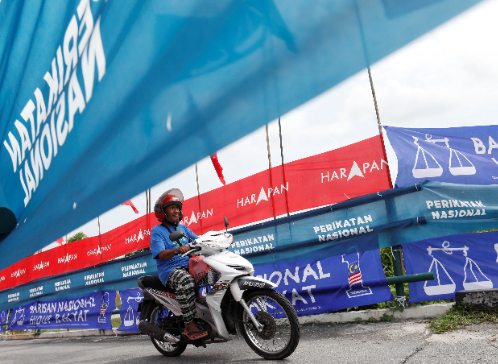

CIVICUS, the global civil society alliance, calls on all parties contesting the upcoming elections to strengthen commitments to respecting and protecting civic freedoms. Despite some promises to review restrictive laws, the three main coalitions contesting have failed to outline clear steps they will take to strengthen human rights and fundamental freedoms, which have come under increasing attack in recent years.
-
Malaysia: Government must halt harassment of land rights defenders


Credit: Parti Sosialis Malaysia
ARTICLE 19 and CIVICUS are concerned by the arrests of three land rights defenders and a farmer for trying to block a forced eviction by the Perak state government on 24 October. Our organisations are also disturbed by the way the authorities conducted the eviction and the use of force against a human rights defender.
-
Malaysia: Government must stop harassing protesters and restricting peaceful protests


ARTICLE 19 and CIVICUS are concerned by recent attempts by the police to harass protesters and restrict peaceful protests. Such actions are inconsistent with the constitution and Malaysia’s international human rights obligation to respect and protect the right to freedom of expression and assembly. It also makes a mockery of Malaysia’s membership at the UN Human Rights Council and the commitments it has made to ensure fundamental freedoms.
On 12 September 2023, a group of around 50 farmers from the state of Perak - supported by Lawan Lapar, a movement aimed at ensuring food security and members of the Malaysian Socialist Party (PSM) - gathered close to parliament to protest against land eviction measures that were affecting their livelihood. They had planned to handover a memorandum but were blocked by the police. Despite this, they continued and met representatives from the government as well as parliamentarians outside parliament.
Following this, police opened up investigations into the protest under Section 186 of the Penal Code for ‘obstructing civil servants from performing their duties’. On 18 September, three PSM leaders were hauled up for police questioning including PSM deputy chairperson S. Arutchelvan, treasurer Soh Sook Hwa and youth member Ayman Hareez. According to reports after, the questions asked had nothing to do with what the three were accused of.
Separately, police also tried to block the ‘Save Malaysia’ protest by opposition groups on 16 September against Deputy Prime Minister Ahmad Zahid Hamidi's discharge not amounting to an acquittal (DNAA), in his corruption case. The police kept demanding publicly that the organisers ‘apply for permit’ despite the law only requiring the organisers to give notice. Following the peaceful protest – in which around 800 people participated – police said they were going to question at least 25 people under the Peaceful Assembly Act 2012 (PAA).
Previously, protesters were also called up by the police concerning peaceful protest marches around International Women’s Rights day and Labour Day.
“There is no basis for the police to haul up peaceful protesters for questioning. This is a clear form of harassment and creates a chilling effect for those who want to organise protests. Further, the police must stop demanding that protesters require permission from them to undertake a protest, when all that is required is a notification. Such scare tactics call into question the reformist credentials of the Anwar Ibrahim government and its commitment to respect the right to peaceful assembly” said Josef Benedict, CIVICUS Asia Pacific Researcher.
Our organisations remain concerned that the PAA falls short of international human rights law and standards. The law imposes onerous requirements such as the need to provide detailed information about the planned event and its organisers. Further, anyone who organises an assembly without giving the required notice can be charged with a criminal offence carrying a fine of up to RM10,000 ($2,134 USD).
The PAA also lacks an exception to the notice requirement for spontaneous assemblies where it is not practicable to give advance notice. It also makes it a criminal offence for people under 21-years-old to organise an assembly and for children to attend an assembly. Further, non-citizens are also denied the right to organise or participate in protests, which is clearly discriminatory.
In 2024, Malaysia’s human rights record will be reviewed by states at the UN Human Rights Council. During its last Universal Periodic Review (UPR) in 2019, the government accepted recommendations to ‘amend existing provisions that limit the freedom of expression including the Peaceful Assembly Act’.
“The police force should stop any further harassment against protest organizers and participants. The government must take steps to revise the Peaceful Assembly Act 2012 to ensure it is consistent with international law and standards. This includes allowing space for spontaneous protests and removing discriminatory provisions in the law. Ahead of Malaysia’s review at the Human Rights Council in 2024, this would signal that the government is committed to respecting and protecting the right to protest”, said Nalini Elumalai, Senior Malaysia Program officer at ARTICLE 19.
Civic space in Malaysia is rated as 'Obstruted' by the CIVICUS Monitor
-
Malaysia: Government undermines civic freedoms and protection of human rights defenders by failing to accept UN recommendations


CIVICUS, SUARAM, the Centre for Independent Journalism (CIJ), FORUM-ASIA, and ARTICLE 19 are concerned that the Malaysian government has failed to accept recommendations made at the UN’s Human Rights Council to respect and protect civic freedoms, particularly freedom of expression and freedom of assembly. These actions are inconsistent with the government’s commitments to undertake human rights reforms and call into question Malaysia’s credibility as a member of the UN Human Rights Council (UNHRC).
-
Malaysia: IPCC bill is a step backwards for police accountability
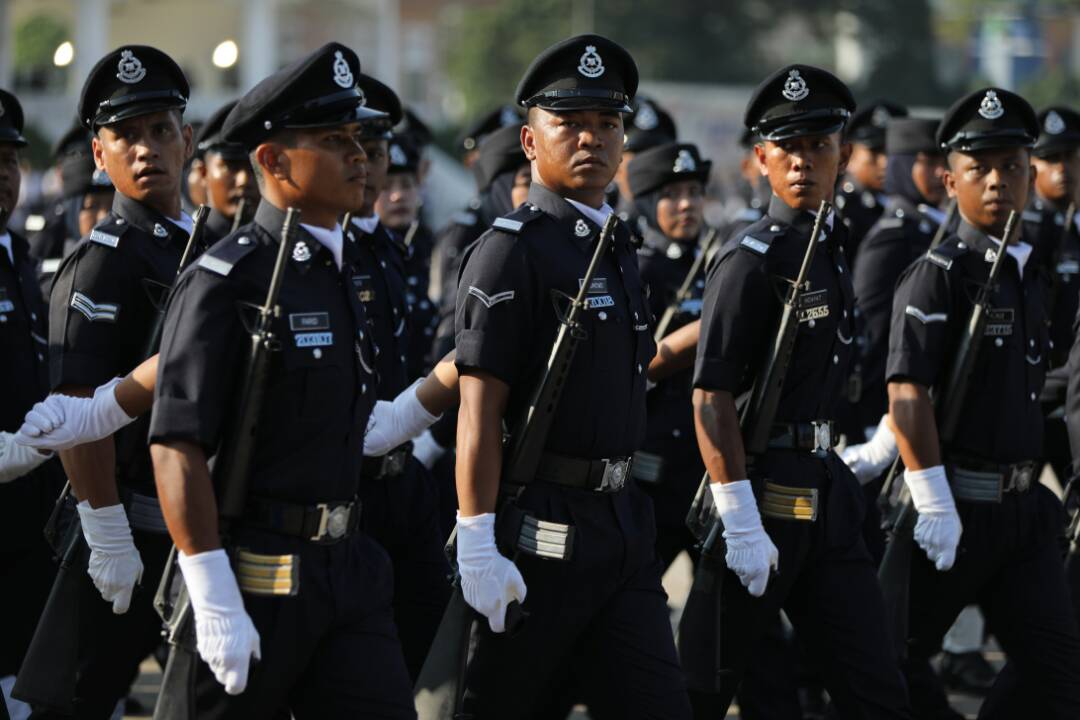
Today, we—Amnesty International Malaysia, ARTICLE 19, CIVICUS: World Alliance for Citizen Participation and Human Rights Watch—call on Members of Parliament in Malaysia to reject the deeply flawed Independent Police Conduct Commission (IPCC) bill and move quickly to table a bill to establish a police accountability mechanism that is truly independent and capable of ensuring adequate police oversight.
The IPCC bill is expected to be tabled in Parliament during this Parliamentary sitting for its second reading. While there is little doubt that Malaysia desperately needs an independent oversight commission for the police, the IPCC bill, first tabled in August 2020, further weakens the already anaemic oversight mechanism currently in place and must be rejected.
The bill fails to address widespread public concerns about police misconduct, ongoing misuse of power against government critics, and custodial deaths. If passed, the bill would not, as the government states, promote accountability, but rather shield police officers from scrutiny and independent oversight.
Police abuse of power in Malaysia
Malaysia has a long history of police abuse, including the excessive use of force, torture, ill-treatment, harassment, and deaths in custody. Human rights violations by police officers have been documented by both national and international non-governmental organisations (NGOs).
The police have also abused their power to restrict freedom of expression and assembly in Malaysia. The space for peaceful protests has shrunk considerably. Police personnel continue to harass those criticising governmentofficials and have arbitrarily arrested peaceful protesters under the guise of dealing with the COVID-19 pandemic.
The aggressive application of the Sedition Act 1948, in particular against government critics, is another abuse of police power frequently witnessed. Between January and August 2021, NGOs documented investigations under the Sedition Act being opened by police in 17 cases involving 37 individuals in total. The recent investigations of the #Lawan protest organisers under the Sedition Act are another worrying example of police overstep to the detriment of human rights.
The Communications and Multimedia Act is also frequently used by the police to censor human rights defenders, journalists, artists, political opponents, and ordinary members of the public who have been critical of the police, government officials or Malaysian royalty, or shared opinions about issues deemed sensitive by the government, such as race and religion.
Police misconduct and violence
This year alone we have seen multiple alarming custodial deaths. In January, former police volunteer reservist Mohd Afis Ahmad died from blunt force trauma to the head just a day after he was arrested. In another case in April, milk trader A Ganapathy was admitted to the Intensive Care Unit upon his release following 12 days in police custody, where he later died. Autopsy results revealed he died from complications arising from injuries on his legs and shoulders, believed to have been sustained while in police custody. In May, security guard S Sivabalan died about 70 minutes after he was arrested by police, allegedly of a heart attack. Promised investigations into each of the above cases appear not to have made any progress.
Police misconduct is not limited to deaths in custody. Allegations of corruption, abuse of power and links to criminal elements have also been raised in recent years. In March this year we were alarmed by allegations from the former Inspector General of Police (IGP) Abdul Hamid Bador that there is a movement of corrupt young police officers or ‘cartels’ within the police force whose ambition is to dominate the police force enabling them to carry out ‘dirty work’ for their own personal interests.
The allegations from the former IGP have shocked the public and highlighted how crucial it is to establish an independent body to investigate these claims and to reform the police force. An independent and effective oversight commission is not going to solve all these problems, but it is an important first step, given the lack of accountability within the police force in Malaysia.
Independent Police Conduct Commission (IPCC)
Despite these concerns, the tabled IPCC bill is not a move towards police accountability but the opposite. The bill further weakens the limited police oversight provided by the current system under the Enforcement Agency Integrity Commission (EAIC). Our key concerns with the bill are as follows:
- No powers of search and seizure- The EAIC, for all its weaknesses, has the power to perform searches and seizures in its investigations of wrongdoing, including custodial deaths. The IPCC does not and as such would weaken the ability to conduct meaningful and effective investigations into police misconduct.
- Limited powers to compel documents and no provisions for hearingsUnder the IPCC, documents or evidence can be withheld if deemed ‘prejudicial to national security or national interest,’ a vaguely defined clause that is open to abuse. Unlike the EAIC, the IPCC does not provide for a hearing. Hearings would allow commissioners to fully explore and examine complaints, ensure greater transparency to victims of abuses and their families, and inform the public and decision makers around police procedures and policies.
- Prior notice requirement for site visits- The IPCC commissioners cannot visit police premises, lockups, or places of detention without prior notice to the head of department. Experience from the National Human Rights Commission of Malaysia (SUHAKAM) shows that authorities may treat early notice requirements as permission requirements, diluting the power of site visits.
- Limited investigation power - Even if the IPCC commissioners are able to successfully carry out investigations despite the above limitations, its powers are limited to making recommendations to a relevant body such as the Police Force Commission, the Malaysian Anti-Corruption Commission or other relevant authorities. Given how recommendations by bodies such as the EAIC and SUHAKAM have been consistently ignored, it is not unreasonable to expect the IPCC will face the same blue brick wall. The IPCC is also exempt from investigating any act provided for in the Inspector-General Standing Orders (IGSO) (Sections 96 and 97 of the Police Act 1967). The standing orders generally govern issues such as the conduct of arrests, the treatment of detainees, and on matters related to permissible use of weapons, amongst others.
- Appointment process lacks independence and is unclear- Under the IPCC, as with the EAIC, members of the Commission will be appointed and dismissed by the King on the advice of the Prime Minister, calling into question the independence of the body. Moreover, appointed members may themselves be police officers. The Chief Executive Officer of the Commission is appointed by the Minister of Home Affairs, which further undermines the principle of independence and impartiality.
The need for an independent police oversight body
The idea of an independent police oversight body was first proposed in 2005, as part of 125 recommendations made by the Royal Commission to Enhance the Operation and Management of the Royal Malaysian Police. The commission was composed of prominent public figures, including a former IGP. The police force also made its submissions as did the Retired Senior Police Officers' Association of Malaysia.
A key recommendation was the establishment of an Independent Police Complaints and Misconduct Commission (IPCMC) to investigate police abuses and discipline those responsible. A proposed bill was drafted as part of the report. Yet, more than 16 years later, Malaysia seems to be moving ever further away from meaningful police reform.
Police leadership has resisted independent oversight and the IPCMC has not yet been established, despite vigorous and sustained campaigning from civil society and human rights organisations. The previous Pakatan Harapan government tabledan IPCMC bill in July 2019 although it was criticised by human rights groups for being insufficient.
Malaysia needs an independent oversight body that is truly independent and impartial from the State and the police, to avoid a conflict of interests. To be effective, the oversight body must possess real powers and responsibilities to investigate and take concrete action against police officers responsible for serious abuses. It is long overdue for the Malaysian government to treat the matter of custodial deaths and other police misconduct with the urgency it warrants. The families of those who have died while in police detention deserve answers and justice for their loved ones. People in Malaysia need to be assured that these deaths will not continue to occur with impunity and that those who abuse their positions of power and responsibility will be held accountable.
Therefore, we urge the government to drop the IPCC bill and instead urgently table a bill that establishes an oversight commission that is truly independent, with sufficient powers to effectively investigate and take action against police misconduct. The rule of law applies to all, even the police.
Endorsed by
- Amnesty International Malaysia
- ARTICLE 19
- CIVICUS: World Alliance for Citizen Participation
- Human Rights Watch
Civic space in Malaysia is rated as ‘obstructed’ by the CIVICUS Monitor.
-
Malaysia: Ismail Sabri’s government is undermining fundamental freedoms
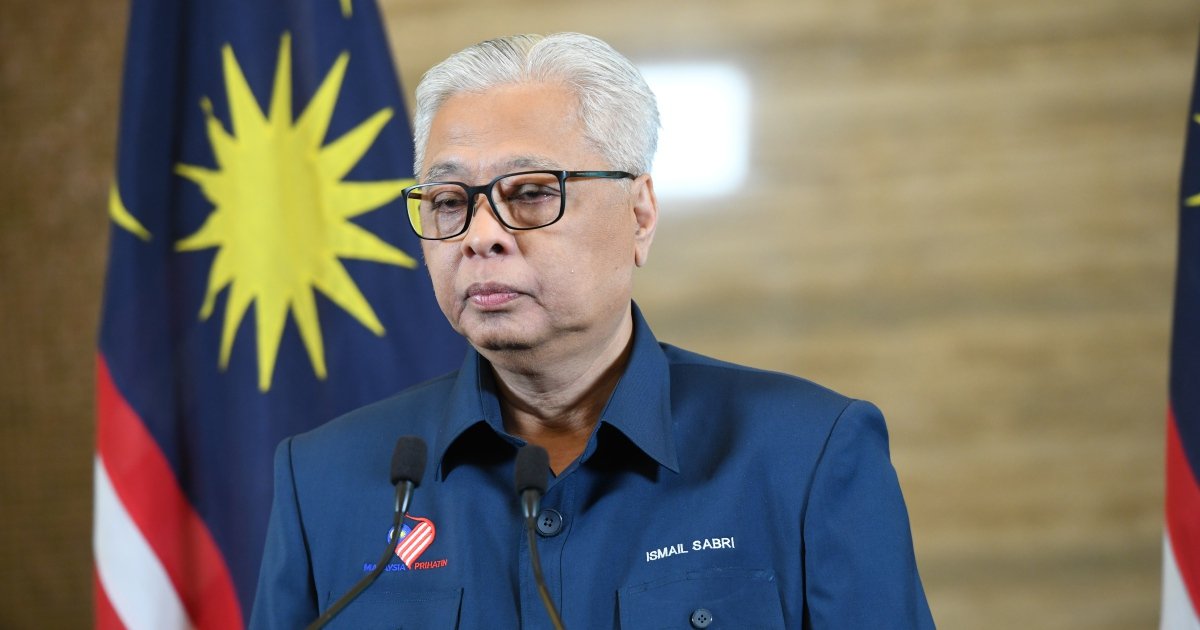
One year after Ismail Sabri took over as the Prime Minister of Malaysia, ARTICLE 19 and CIVICUS areconcerned about systematic attempts by his government to restrict and undermine fundamental freedoms, especially freedom of expression and peaceful assembly.
-
Malaysia: Migrants and refugees excluded from poverty figures and neglected by policymakers

Statement at the 44th Session of the UN Human Rights Council
Interactive Dialogue with the Special Rapporteur on extreme poverty
Thank you, Madame President; Special Rapporteur.
CIVICUS and North South Initiative welcome the strong report of the Special Rapporteur on his country visit to Malaysia, which highlights the plight of millions of people including migrants, refugees and stateless people who are systematically excluded from official poverty figures and neglected by policymakers.
We share his concern that migrant workers in Malaysia are set up for exploitation by unscrupulous recruitment agents and employers, a harsh immigration policy and a lack of enforcement of labour protections. Refugees and asylum seekers exist in extremely precarious conditions unable to work or enroll in government schools. Civil society groups have been calling for a single entity to manage migrant workers to ensure better protection of their rights and reduce the risks of them becoming victims of corruption.
CIVICUS research has shown has that migrants and refugees in Malaysia want to participate in the societies they call home. But they continue to face barriers and restrictions in exercising their freedoms of expression, peaceful assembly and association, all but ensuring ongoing perilous and precarious conditions.
Migrant workers and refugees say that among the challenges they face in speaking out include, a lack of access to information, fear of being fired, detained or deported and harassment or intimidation. The right to assemble in the 2012 Peaceful Assembly Act does not extend to foreigners including migrant workers and refugees – in contravention of international human rights law and standards. Refugee and migrant workers also face various restrictions in exercising their freedom of association.
Since the COVID-19 pandemic emerged earlier this year there has been a crackdown on migrant workers. The UN has noted increased xenophobia and hate speech against them by individuals affiliated with the government and human rights defenders have been threatened for supporting migrants.
We call on the government of Malaysia to immediately take steps to implement the recommendation of the special rapporteur for a comprehensive new approach to migrant and refugee policies that provides them protection, guarantees their civic freedoms and enables a route out of poverty and precarity. We also urge the government to make public the final report and recommendations by the Special Committee on Foreign Worker Management setup by the government.
-
Malaysia: Muhyiddin government escalating efforts to silence dissent


Global civil society alliance CIVICUS is extremely concerned by the escalation of repression of critical voices by the Malaysian authorities in recent weeks. These cases highlight an increasing intolerance for dissent by the government as they seek to hold on to power and is creating a chilling effect on freedom of expression and peaceful assembly.
On 23 April 2021, the police arrested activist and artist Fahmi Reza under Section 4(1) of the draconian Sedition Act and Section 233 of the Communications and Multimedia Act (CMA) in relation to a satirical Spotify playlist about the Queen. He was released the day after, but the investigation is ongoing. Previously, in March 2021, he was questioned by the police about two caricatures of the Health Minister, that he posted on multiple social media platforms.
On 28 April, it was reported that another cartoonist, Zulkifli Anwar Ulhaque - who goes by the pen name Zunar - is also being investigated by the police over a satirical drawing in January 2021 that mocked the Kedah state Chief Minister for his decision to cancel a holiday to mark a Hindu festival. Officials had defended cancelling the holiday, blaming the coronavirus pandemic. He is being investigated under Section 505c of the Penal Code for ‘incitement’ and Section 233 of the CMA.
“The Malaysian authorities have become so fearful of dissent that anyone who dares to speak out including artists and cartoonists face judicial harassment. The government must end this absurd probe of Fahmi Reza and Zunar, halt its use of restrictive laws and respect the right to freedom of expression that is guaranteed in the constitution”, said Josef Benedict, Asia Pacific researcher for CIVICUS.
The authorities have also sought to harass peaceful protesters for exercising their fundamental freedoms. On 29 March, police summoned 11 individuals to give a statement for a peaceful protest held outside parliament to protest the Election Commission’s (EC) delay in implementing the 18-year voting age. Those hauled up include the organisers and opposition politicians. According to reports they are being investigated under Section 9(5) of the Peaceful Assembly Act 2012, for gathering without notification.
On 1 May, it was reported that police want to question eight people for attending a solidarity gathering for activist Fahmi Reza. The gathering was held on 14 April outside the Dang Wangi district police headquarters after police detained Fahmi overnight. The eight include one parliamentarian, two politicians, and five civil society members. Those from civil society include SUARAM executive director Sevan Doraisamy, youth activist Wong Yan Ke, ARTICLE 19 Malaysia programme officer E. Nalini, EDICT executive director Khalid Mohd Ismath, and activist Numan Afifi Saadan.
On the same day, the police said it will be calling up around 90 participants of a physically distanced sit-in protest in front of the Parliament on 30 April, where participants broke their fast together for the Muslim holy month of Ramadan. The rally was held to call for the reopening of Parliament, which had been suspended following the January 2021 declaration of a State of Emergency, purportedly to deal with the pandemic. This emergency has been questioned by civil society who have accused the Prime Minister of using the pandemic to cling to power by preventing the parliament from convening and determining if he still has the majority to form a government.
“The harassment of peaceful protesters highlights the shrinking space for fundamental freedoms under the Perikatan Nasional government. The questioning of these individuals is aimed at creating a climate of fear and stifling criticism of the government and must end. As a country that is seeking membership of the Human Rights Council, these actions clearly run contrary of international human rights law and standards that such as body is supposed to protect,” said Benedict.
In a joint report with Article 19, released in March 2021, our organisations found that the Perikatan Nasional government has undermined and obstructed the exercise of fundamental freedoms. It has initiated baseless criminal proceedings against government critics, human rights defenders, journalists, and individuals expressing critical opinions. It has also attempted to silence peaceful protesters and also impede the formation of political parties to keep itself in power.
Civic space in Malaysia is rated as ‘obstructed’ by the CIVICUS Monitor.
-
Malaysia: New report on the state of fundamental freedoms under the Perikatan Nasional government
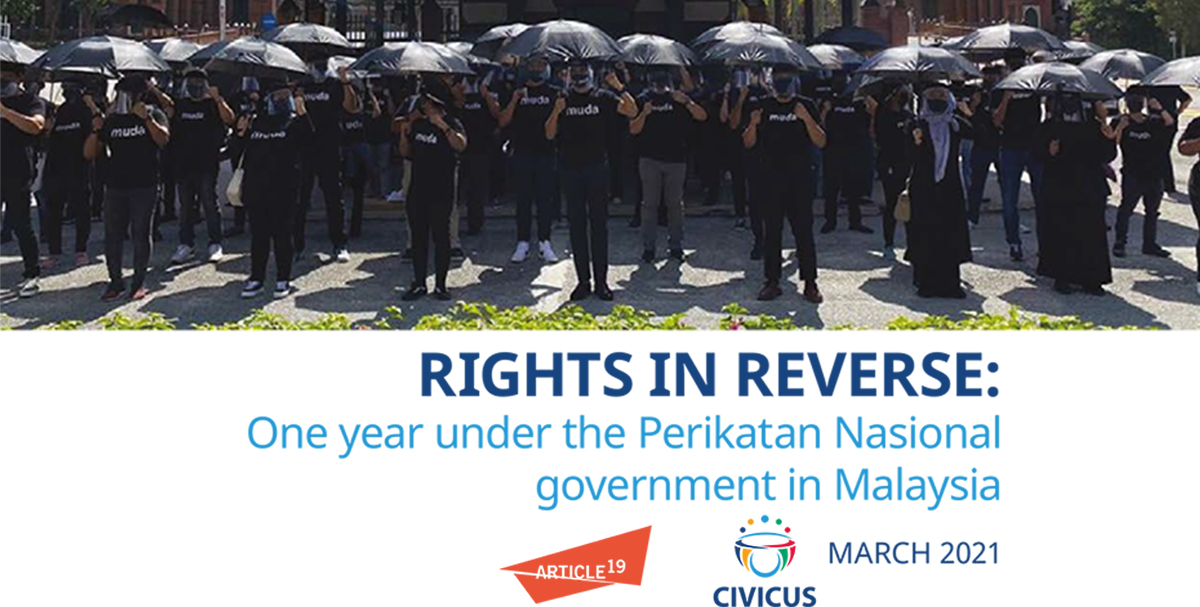
Joint research report on the state of civic freedoms in Malaysia
The Perikatan Nasional government has undermined and obstructed the exercise of fundamental freedoms during its first twelve months in power, said ARTICLE 19 and CIVICUS in a new report published today. The government has not only failed to reform or repeal laws that restrict the rights to freedom of expression, peaceful assembly, and association but has initiated baseless criminal proceedings against government critics, human rights defenders, journalists, and individuals expressing critical opinions.
The report, “Rights in Reverse: One year under the Perikatan Nasional government in Malaysia”, highlights the Perikatan Nasional government’s record during its first year in power against its obligation to respect, protect, and fulfil the rights to freedom of expression, peaceful assembly, and association. The report highlights the government’s sustained use of repressive laws and provisions to silence dissent amid a global pandemic, when press freedom and civil society is needed more than ever to ensure reliable information and to hold the state accountable.
“The Perikatan Nasional government has been extremely secretive about its legislative agenda but has been crystal clear about its intention to continue using repressive laws to target critics and dissenters,” said Nalini Elumalai, ARTICLE 19’s Malaysia Programme Officer. “A healthy environment for public discourse cannot be achieved until dissenting and unpopular opinions are respected and protected instead of silenced.”Over the past year, authorities have aggressively applied the Sedition Act 1948 and Communications and Multimedia Act 1998 (CMA) to investigate, arrest, charge, and convict individuals who have criticized government officials or Malaysian royalty, or who have shared opinions about sensitive issues such as race and religion. Between March 2020 and February 2021, ARTICLE 19 and CIVICUS recorded 66 cases involving 77 individuals who have been investigated or charged under the two laws because of their exercise of the right to freedom of expression. Over this period, at least 12 people were convicted under the CMA.
Press freedom has also declined sharply during the Perikatan Nasional government’s first year in power. This trend was highlighted by Malaysiakini’s conviction on contempt of court charges in relation to third-party comments made on its website, the unprecedented witch-hunt against Al Jazeera journalists investigating the treatment of migrants workers during the COVID-19 pandemic, and the targeting of journalists reporting on the actions and statements of government officials. The harassment and intimidation of journalists further demonstrates the shrinking space for free and independent media in Malaysia.
In addition to journalists, the authorities have harassed, investigated, and arbitrarily detained human rights defenders, peaceful protesters, women’s rights activists, and union leaders in an effort to silence civil society voices.
The legal framework governing the exercise of freedom of assembly and association remains highly restrictive and excessively burdensome.
The Peaceful Assembly Act falls shorts of international law and standards and denies the right to protest to children and non-citizens. It also fails to allow for spontaneous assemblies. The last year saw peaceful protesters being investigated and arrested, including health workers protesting their lack of access to adequate personal protective equipment during the COVID-19 pandemic.
The Societies Act has continued to stand in the way of enjoyment of the right to freedom of association, which is critical in a democracy. The Registrar of Societies has excessive powers and has erected barriers to registration for new opposition political parties such as Muda and Pejuang and civil society groups while simultaneously fast-tracking the registration of the Perikatan Nasional.
“The Perikatan government has attempted to silence peaceful protesters and impede the formation of political parties to keep itself in power,” said Josef Benedict, CIVICUS Researcher. “Its attempt to join the Human Rights Council cannot be taken seriously unless it takes immediate steps to remove undue restrictions on assembly and association,” Benedict added.
ARTICLE 19 and CIVICUS urge the Malaysian government to undertake a comprehensive and inclusive process of legislative and institutional reform in order to promote and protect fundamental rights and freedoms. To this end, authorities must ensure that all processes are fully transparent and facilitate full and effective participation of all concerned stakeholders, including civil society.
Malaysia’s reform process must be informed by relevant international human rights standards. The Perikatan National government should take concrete steps towards the ratification of core human rights treaties, including the International Covenant on Civil and Political Rights.
For further information:
- Nalini Elumalai, ARTICLE 19 Malaysia Program Officer,
- Josef Benedict, CIVICUS Civic Space Researcher,
More information
The space for civil society in Malaysia is rated as ‘Obstructed’ by the CIVICUS Monitor, an online platform that tracks civic space in every country. An Obstructed rating for civic space means that democratic freedoms – such as the freedoms of expression, peaceful assembly and association – face a combination of legal and practical constraints in Malaysia.
-
Malaysia: Positive step but further revisions needed of protest law

Pusat KOMAS and global civil society alliance, CIVICUS, welcome the Malaysian government’s efforts to make amendments to the Peaceful Assembly Act, which regulates public assemblies and protests. While some of the proposed changes to the law appear positive, our organisations are concerned that the legislation still falls short of international human rights law and standards, related to the right to peaceful assembly.
-
Malaysia: Senate’s rejection of bill abolishing fake news law a step backwards for the Pakatan Harapan government

#Malaysia: Senate’s rejection of bill abolishing fake news law a step backwards for the new government says @CIVICUSalliance & @article19org https://t.co/umxxKFm2mF pic.twitter.com/yNLjvz0I3o
— CIVICUS Monitor (@CIVICUSMonitor) September 14, 2018ARTICLE 19 and CIVICUS are extremely disappointed that the Senate (Dewan Negara) has rejected a bill to repeal the repressive Anti-Fake News Act 2018. International and national rights groups, UN experts and Malaysian civil society have raised serious concerns that the law is inconsistent with international standards and may be used to violate the right to freedom of expression. The failure to abolish the law runs contrary to the new government’s commitment to reform the restrictive environment for expression and public discourse established by the previous Barisan Nasional government.
-
Malaysia: States must call out violations of civic freedoms at upcoming UN review


CIVICUS, the Asian Forum for Human Rights and Development (FORUM-ASIA), and SUARAM call upon states to use the upcoming human rights review of Malaysia at the United Nations Human Rights Council (UNHRC) to call out its ongoing failure to fully implement previous recommendations related to civic freedoms.
-
Malaysia: Two years on, still no protection & accountability for Rohingya HRD Zafar Ahmad from harassment and threats

We, the undersigned organisations, are deeply concerned about the situation of stateless Rohingya refugee and human rights defender Zafar Ahmad Abdul Ghani, President of Myanmar Ethnic Rohingya Human Rights Organization (MERHROM), who has been vilified and has received death threats since April 2020 after he was falsely accused of demanding Malaysian citizenship and equal rights for the Rohingya in Malaysia during the COVID-19 pandemic.
-
Marginalised Malaysians hope promised reforms will include their rights

By Josef Benedict, Civic Space Reearch Officer
There is optimism following the 100 days of Malaysia’s new government – but the country’s marginalised groups wonder if it will go far enough to fight for equal rights.
Read on: SouthEast Asia Globe
-
Police reforms must go beyond IPCMC

By Josef Benedict
The change of government on May 9 has offered a real opportunity for Malaysians to fix the gaps and problems that currently plague the various state institutions in the country.
Read on: Malaysiakini
-
Rise in Cyberlaws Across Southeast Asia Spell Bad News for Human Rights & Democracy

By Josef Benedict Civic Space Researcher, CIVICUS
This article is part of a series on the state of civil society organisations (CSOs), which is the focus of International Civil Society Week
Around the globe, cyberspace has become the new battleground in the fight for the heart and soul of democracy. And Southeast Asia is fast becoming one of the global hotspots where the screws are being tightened on freedom of expression online.
Read on: Inter Press Service